
Diarrhée associée aux antibiotiques : savoir la prévenir

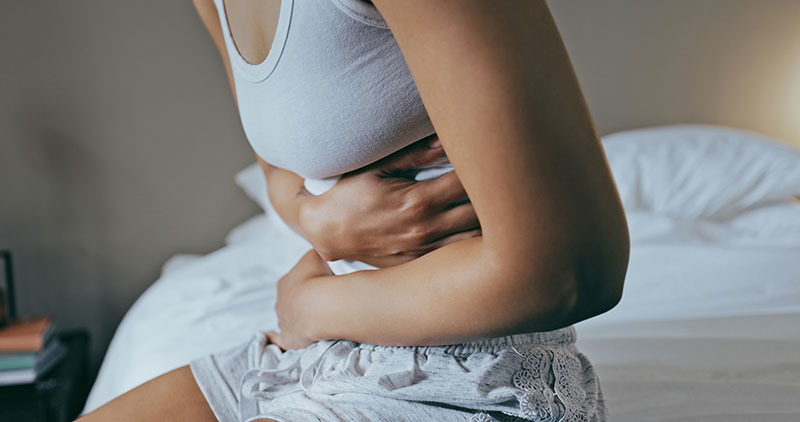
Pourquoi les antibiotiques peuvent-ils provoquer une diarrhée ?
Les antibiotiques sont essentiels pour traiter les infections bactériennes.²,³ Mais en agissant, ils ne ciblent pas uniquement les bactéries responsables de l’infection: ils peuvent aussi perturber les bonnes bactéries présentes dans votre intestin.¹
Cet équilibre fragile, appelé microbiote intestinal, joue un rôle clé dans la digestion, l'absorption des nutriments, l’immunité et protège contre les germes nocifs.¹,⁵
Ce microbiote intestinal est un écosystème vivant et dynamique qui peut évoluer rapidement en fonction de nombreux facteurs, comme la prise d'antibiotique.²⁰
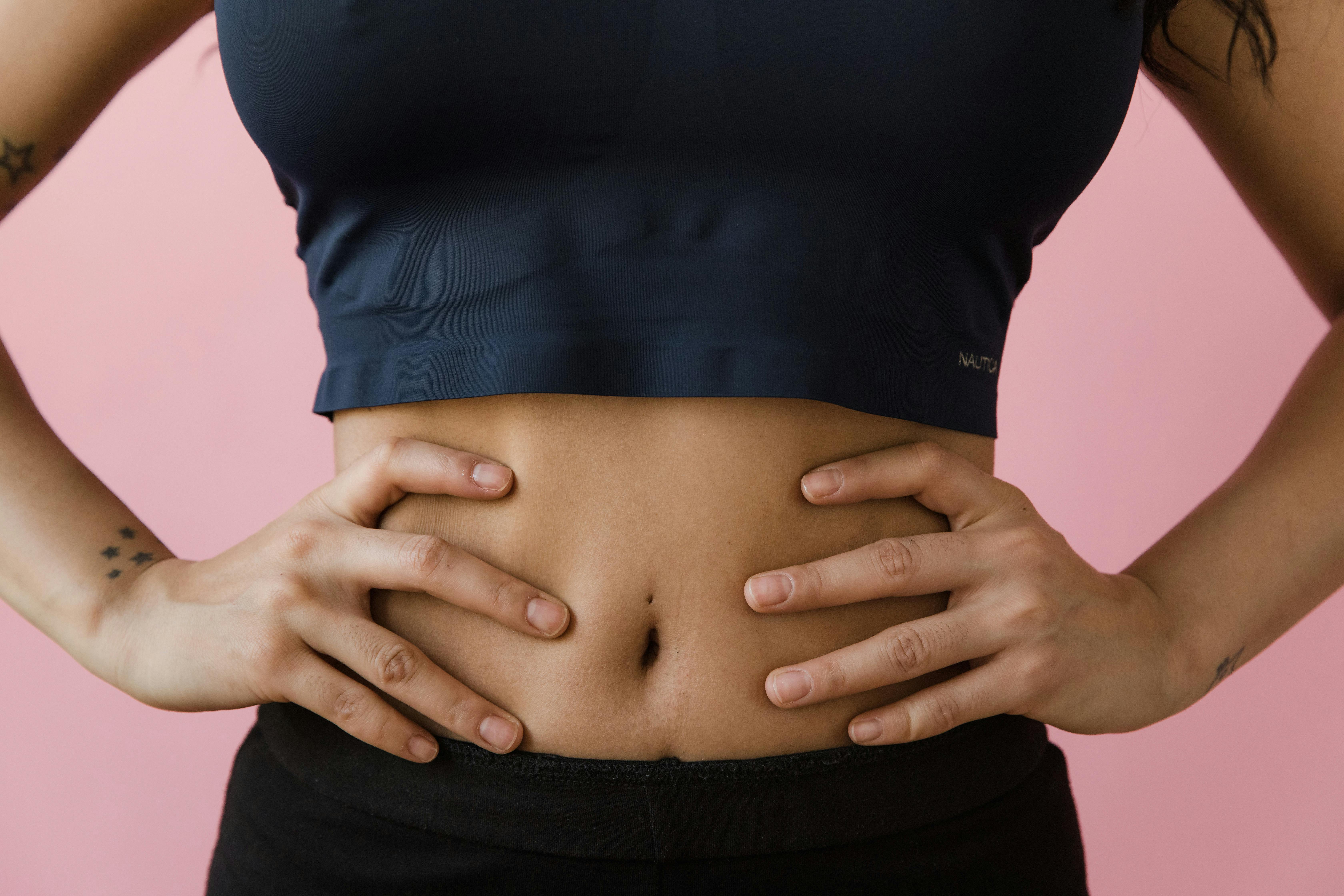
Les antibiotiques sont associés à une perturbation de la diversité du microbiote intestinal et à une diminution des défenses intestinales, ce qui peut favoriser la prolifération de bactéries pathogènes et provoquer une diarrhée.¹,⁴
Le saviez-vous ?
La diarrhée est un effet indésirable aigu courant des antibiotiques, mais elle peut également être associée à des altérations plus importantes du microbiote intestinal qui peuvent favoriser l'émergence de bactéries intestinales pathogènes.⁴
Comment protéger votre intestin pendant un traitement antibiotique
Les probiotiques peuvent contribuer à réduire le risque de diarrhée associée à une antibiothérapie en favorisant l'équilibre des bactéries intestinales pendant le traitement.⁶⁻⁸
Les probiotiques sont définis comme « des micro-organismes vivants qui, lorsqu'ils sont administrés en quantités adéquates, confèrent un bénéfice pour la santé de l'hôte ».⁹ Il a été démontré que certaines souches probiotiques aident à gérer les problèmes intestinaux tels que la diarrhée, y compris celle liée à la prise d'antibiotiques.⁸,¹⁰
En aidant à restaurer le microbiote intestinal perturbé par les antibiotiques, les probiotiques favorisent la récupération intestinale.¹¹⁻¹³
Pour protéger votre microbiote pendant la prise d’antibiotiques, il est pertinent de choisir un probiotique qui n’est pas détruit par ces médicaments.
En savoir plus sur les probiotiques et leur rôle dans la gestion de la diarrhée.
Enterol®: un médicament probiotique
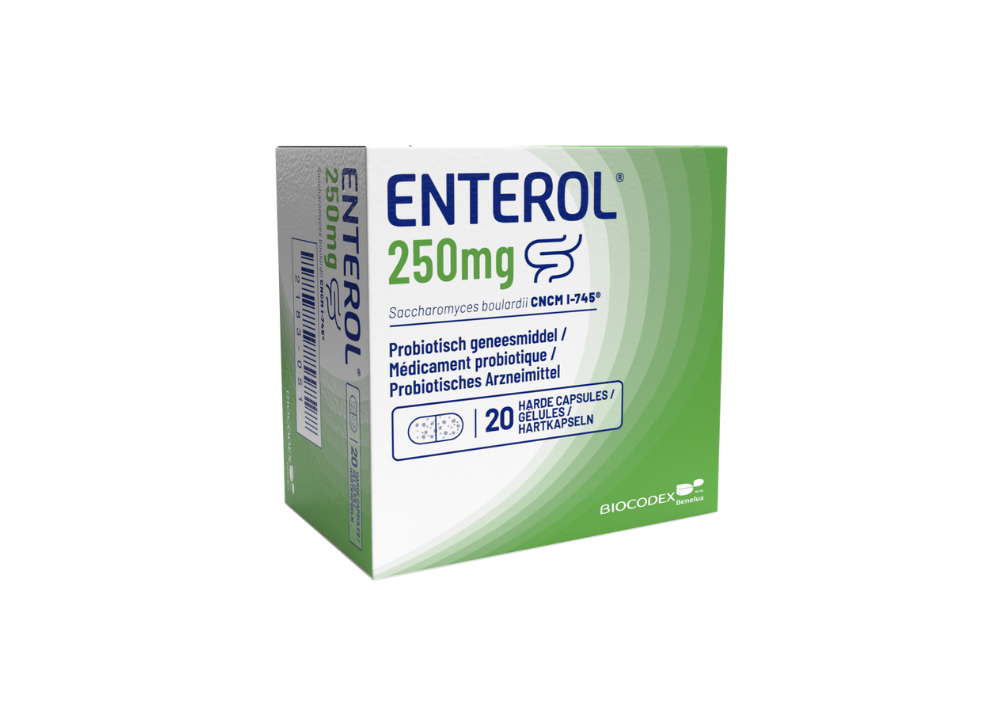
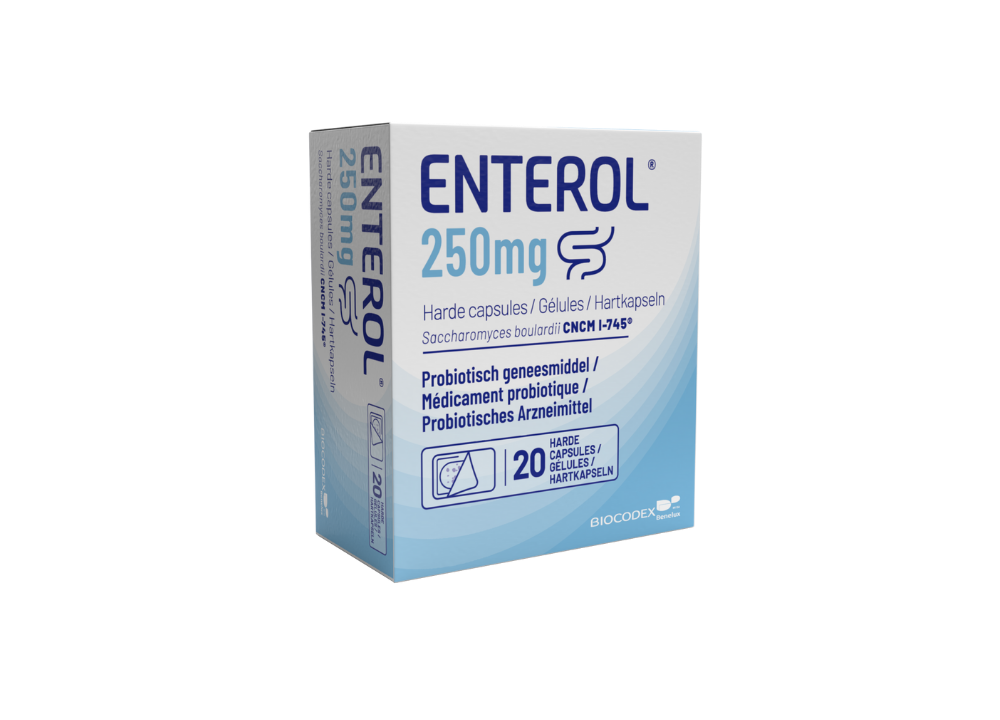
Enterol® est un médicament probiotique à base de Saccharomyces boulardii CNCM I-745 indiqué dans la prévention de la diarrhée associée aux antibiotiques chez les personnes prédisposées à développer une diarrhée par Clostridium difficile ou une rechute de diarrhée due à Clostridium difficile.
- Enterol® prévient la diarrhée associée aux antibiotiques tout en respectant votre équilibre intestinal.
- Enterol® protège et réduit les effets indésirables des antibiotiques, réduit le risque de diarrhée associée au traitement antibiotique et améliore les taux de guérison.¹⁴,¹⁵
- Enterol® n’est pas détruit par les antibiotiques et peut être pris pendant le traitement.¹⁶,¹⁷
S. boulardii CNCM I-745® est une levure probiotique étudiée cliniquement, avec une efficacité prouvée dans la diarrhée associée à l’antibiothérapie.¹⁸,¹⁹
 S. boulardii CNCM I-745® est également fabriqué en France selon un procédé de fabrication unique.²¹
.png)
Notre expertise
Enterol® ne se limite pas à la diarrhée associée aux antibiotiques. Découvrez toutes ses indications.

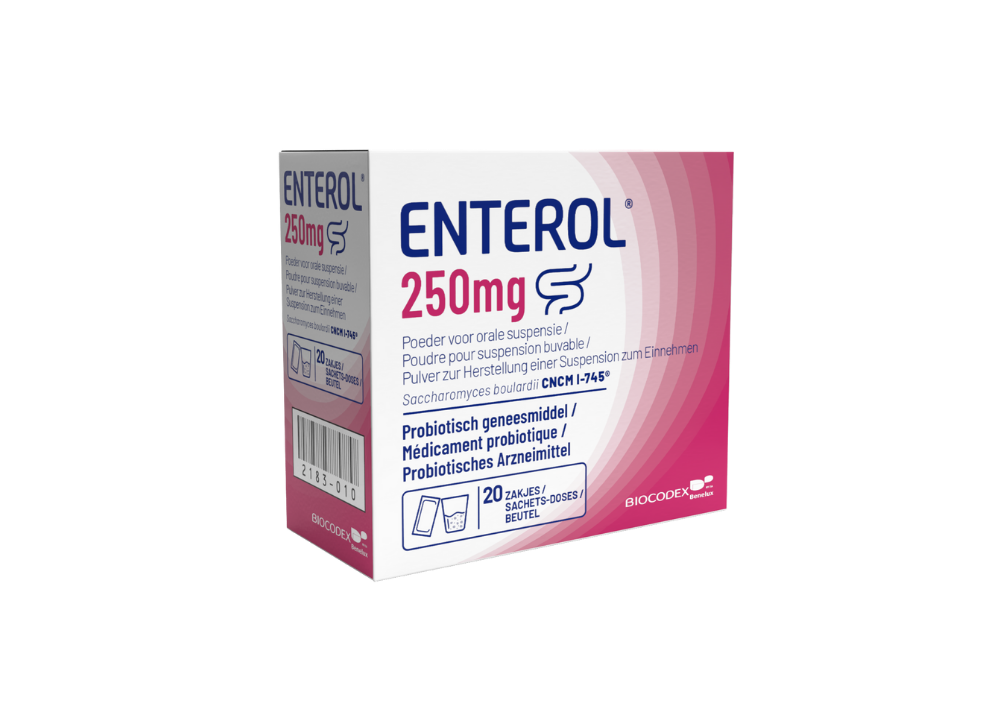
Découvrez la gamme de médicaments probiotiques Enterol®
La levure probiotique unique d'Enterol® traite les principales affections liées au microbiote intestinal grâce à la science, à l'innovation et aux résultats cliniques.
1. Ramirez J, et al. Antibiotics as Major Disruptors of Gut Microbiota. Front Cell Infect Microbiol. 2020;10:572912. 2020 doi:10.3389/fcimb.2020.572912
2. McFarland LV, Ozen M, Dinleyici EC et al. Comparison of pediatric and adult antibiotic-associated diarrhea and Clostridium difficile infections. World J Gastroenterol. 2016;22(11):3078-3104. doi: 10.3748/wjg.v22.i11.3078
3. Ianiro G, Tilg H, Gasbarrini A. Antibiotics as deep modulators of gut microbiota: between good and evil. Gut. 2016;65:1906–1915. doi: 10.1136/gutjnl-2016-312297
4. Guarner F, Bustos Fernandez L, Cruchet S, et al. Gut dysbiosis mediates the association between antibiotic exposure and chronic disease. Front Med. 2024;11:1477882. doi:10.3389/fmed.2024.1477882
5. Jandhyala SM, Talukdar R, Subramanyam C, et al. Role of the normal gut microbiota. World J Gastroenterol. 2015;21(29):8787–8803. doi:10.3748/wjg.v21.i29.8787
6. Kabbani TA, Pallav K, Dowd SE, et al. Prospective Randomized Controlled Study on the Effects of Saccharomyces Boulardii CNCM I-745 and Amoxicillin-Clavulanate or the Combination on the Gut Microbiota of Healthy Volunteers. Gut Microbes. 2017;8(1):17–32. doi:10.1080/19490976.2016.1267890.
7. Waitzberg D, Guarner F, Hojsak I, et al. Can the Evidence-Based Use of Probiotics (Notably Saccharomyces boulardii CNCM I-745 and Lactobacillus rhamnosus GG) Mitigate the Clinical Effects of Antibiotic-Associated Dysbiosis? Advances in Therapy. 2024;41(3):901–914. doi: 10.1007/s12325-024-02783-3.
8. Williams NT. Probiotics. AJHP. 2010;67(6):449–458. doi:10.2146/ajhp090168.
9. Hill C, et al. The International Scientific Association for Probiotics and Prebiotics consensus statement on the scope and appropriate use of the term probiotic. Nat Rev Gastroenterol Hepatol. 2014;11(8):506-14. doi: 10.1038/nrgastro.2014.66
10. Guarner F, Sanders ME, Szajewska H, et al. World Gastroenterology Organization Global Guidelines. Available at: https://www.worldgastroenterology.org/guidelines/probiotics-and-prebiotics/probiotics-and-prebiotics-english, last accessed 3, Sep, 2025.
11. Hori T, Matsuda K, Oishi K. Probiotics: A Dietary Factor to Modulate the Gut Microbiome, Host Immune System, and Gut–Brain Interaction. Microorganisms. 2020;8(9):1401. https://doi.org/10.3390/microorganisms8091401.
12. Maftei NM, Raileanu CR, Balta AA, et al. The Potential Impact of Probiotics on Human Health: An Update on Their Health-Promoting Properties. Microorganisms. 2024;12(2):234. doi:10.3390/microorganisms12020234.
13. Latif A, Shehzad A, Niazi S, et al. Probiotics: mechanism of action, health benefits and their application in food industries. Frontiers Microbiol. 2023;14:1216674. doi:10.3389/fmicb.2023.1216674.
14. Swidsinski A., et al., Functional anatomy of the colonic bioreactor: Impact of antibiotics and Saccharomyces boulardii on bacterial composition in human fecal cylinders Syst Appl Microbiol 39(2016) 67- 75
15. Hempel S et al. Probiotics for the prevention and treatment of antibiotic associated diarrhea: a systematic review and metaanalysis. Jama 2012; 307(18): 1959-69. Doi: 10.1001/jama.2012.3507
16. Neut C, Mahieux S, Dubreuil LJ. Antibiotic susceptibility of probiotic strains: Is it reasonable to combine probiotics with antibiotics?. Med Mal Infect. 2017;47(7):477-483. doi:10.1016/j.medmal.2017.07.001
17. Kazmierczak-Siedlecka K, Ruszkowski J, Fic M, et al. Saccharomyces boulardii CNCM I-745: A Non-bacterial Microorganism Used as Probiotic Agent in Supporting Treatment of Selected Diseases. Curr Microbiol. 2020;77(9):1987-1996. doi:10.1007/s00284-020-02053-9
18. Martins FS, Vieira AT, Elian SD, et al. Inhibition of tissue inflammation and bacterial translocation as one of the protective mechanisms of Saccharomyces boulardii against Salmonella infection in mice. Microbes Infect. 2013;15(4):270-279. doi:10.1016/j.micinf.2012.12.007
19. Pubmed 30/03/2026, keyword «boulardii»; type «clinical trial», excluding animal studies, including clinical trials not appearing in «clinical trial» tag- Kelly 2019, Cardenas 2020, Wang 2019, Zhao 2021
20. The nutrition source. (2022, 25 juillet). The microbiome. https://www.hsph.harvard.edu/nutritionsource/microbiome/
21. Receipt of the deposit to the National Collection of Microorganism Cultures, Institut Pasteur.